In today's world, having a reliable power supply that is independent of the grid has become increasingly essential for both residential and outdoor adventures. Choosing the best Off Grid Inverteris a crucial step in achieving energy independence, ensuring that your power needs are met no matter where you find yourself. At Bangzhao Electric Co., Ltd., we have spent the past decade providing innovative system solutions, including cutting-edge lithium battery storage systems, Pure Sine Wave Inverters, and bi-directional energy storage power supplies tailored to our customers' needs. This ultimate guide aims to simplify the selection process by offering essential tips and insights into what to consider when choosing an Off Grid Inverter, so you can effectively harness and manage your energy resources, whether for marine applications, vehicles, or static installations.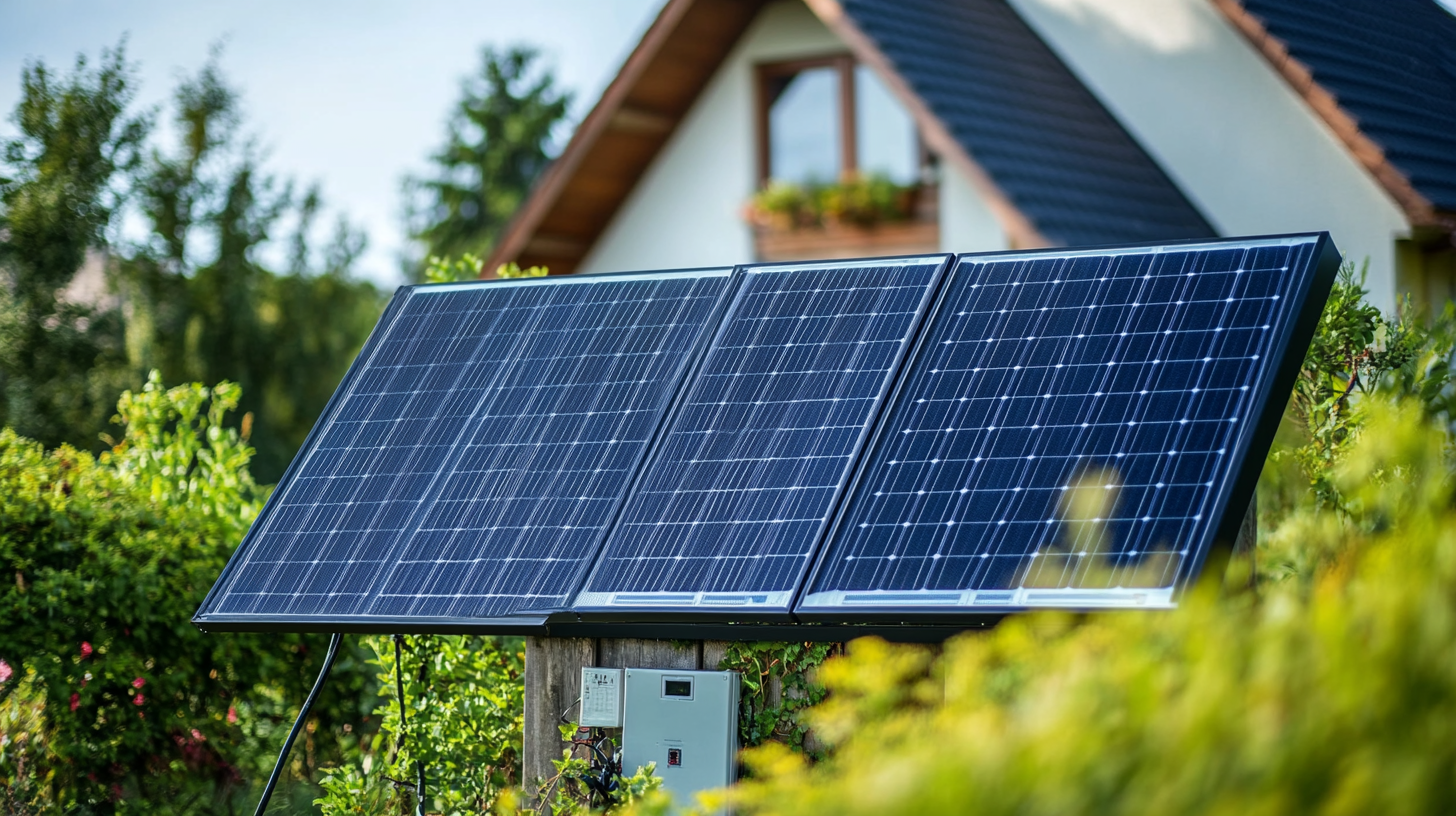 Join us as we explore the key factors that will help you make an informed decision for your unique power requirements.
Understanding the Basics: What is an Off Grid Inverter and Its Functions
An off grid inverter is a critical component for anyone looking to harness solar power or operate independently from the mainstream electrical grid. At its core, an off grid inverter converts direct current (DC) generated by solar panels or batteries into alternating current (AC), which is the standard form of electricity used by most home appliances. In addition to this fundamental function, off grid inverters often come equipped with features such as battery management systems, which help to optimize battery usage and prolong their lifespan.
When selecting an off grid inverter, it's essential to consider your power needs carefully. **Tip:** Calculate the total wattage of the appliances you plan to use to ensure the inverter can handle the load. Additionally, consider the inverter's surge capacity, which is the extra power needed to start appliances with motors, like refrigerators. Make sure the inverter's specifications align with the peak and continuous wattage requirements of your devices for seamless operation.
Furthermore, the efficiency of an inverter plays a crucial role in energy conversion. **Tip:** Look for inverters with an efficiency rating above 90% to minimize energy loss. This will ensure you get the most out of your solar panels and batteries, ultimately saving you money in the long run. Choosing a reliable brand with good customer support can also enhance your overall experience and ensure assistance when needed.
Key Factors to Consider When Choosing the Right Off Grid Inverter
Choosing the right off-grid inverter is crucial for ensuring that your power needs are met efficiently and reliably. When selecting an inverter, one important factor to consider is the inverter type. Pure sine wave inverters are often recommended as they provide clean, stable energy that is suitable for sensitive electronics. Reports indicate that systems using pure sine wave inverters can experience less wear and tear, leading to longer lifespans for appliances and equipment.
Another key consideration is the inverter’s capacity, measured in watts and VA (Volt-Amperes). It’s essential to calculate your total power consumption to select an inverter that can handle your energy demands. Estimates suggest that with an average household power usage of 800-1500 watts, choosing an inverter with at least 2000 watts of capacity can offer a buffer for peak loads. Furthermore, modern inverters often include additional features such as digital displays and advanced battery management systems, improving usability and energy efficiency.
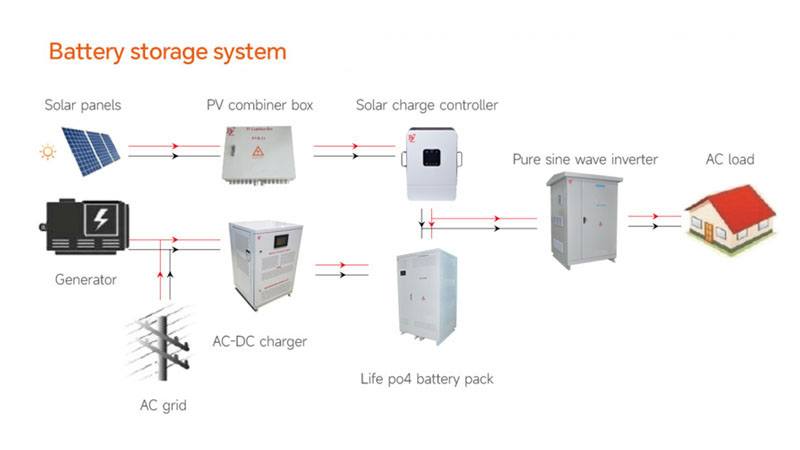
Lastly, compatibility with energy storage systems is a vital factor for off-grid setups. As energy storage technologies evolve, having an inverter that seamlessly integrates with various battery types and solar power sources ensures a more resilient power solution. An efficient energy management strategy can enhance the overall system performance, allowing for better energy flow and reduced costs over time.
Comparing Different Types of Off Grid Inverters: Pros and Cons
When selecting the best off-grid inverter for your power needs, it is crucial to understand the different types and their respective advantages and disadvantages. The CLLC and CLLLC topologies are popular choices in the inverter space. CLLC topologies are known for their high efficiency and ability to handle varying loads, making them suitable for renewable energy applications. However, they can be more complex to design and might require additional components for optimal performance.
On the other hand, DAB topologies offer simplicity in design and ease of control, which can be beneficial for users looking for straightforward operation. They provide good efficiency but may not handle load fluctuations as well as CLLC systems. Understanding these characteristics will help you align your inverter choice with your specific off-grid power requirements.
**Tip:** When choosing an inverter, consider the anticipated power loads and the efficiency ratings of different topologies to ensure you select the most suitable option for your needs. Also, pay attention to the inverter's adaptability to future expansions or changes in your power system. Ensuring proper installation and maintenance can significantly prolong the inverter's lifespan and improve performance.
How to Assess Your Power Needs for Off Grid Living
Assessing your power needs is the first critical step in selecting the best off-grid inverter for your lifestyle. Start by cataloging all the appliances and devices you plan to use, focusing on their wattage and daily usage. Different items consume varying amounts of power; for instance, a refrigerator may require around 200-800 watts, while lighting might only demand a fraction of that. By creating a comprehensive list, you can calculate your total energy consumption, helping you understand the wattage capacity required for your inverter.
Once you have a clearer picture of your energy needs, consider peak power requirements as well. Many appliances, like power tools and HVAC systems, draw extra power during startup, which can be several times their running wattage. Choosing an inverter that can handle these peaks ensures that your system runs smoothly without interruptions. Additionally, factor in any potential future energy demands, as your needs may grow over time. This thorough assessment will empower you to choose an inverter that not only meets your current requirements but also accommodates your off-grid ambitions.
Ultimate Guide to Selecting the Best Off Grid Inverter for Your Power Needs
| Inverter Type | Power Output (Watts) | Efficiency Rating (%) | Waveform Type | Battery Compatibility | Typical Use Case |
| Pure Sine Wave | 3000 | 90 | Pure Sine Wave | Lithium, Lead Acid | High-end electronics, appliances |
| Modified Sine Wave | 1500 | 85 | Modified Sine Wave | Lead Acid | Basic tools, lights, fans |
| Grid Tie Inverter | 5000 | 92 | Pure Sine Wave | N/A | Solar energy systems |
| Hybrid Inverter | 6000 | 90 | Pure Sine Wave | Lithium, Lead Acid | Comprehensive off-grid/smart grid |
Evaluating Quality and Reliability in Off Grid Inverter Brands
When selecting an off-grid inverter, understanding the quality and reliability of different brands is paramount. According to a recent report by the National Renewable Energy Laboratory (NREL), the efficiency and durability of off-grid inverters can significantly impact the overall performance of solar power systems. The study emphasizes that inverters with high-quality manufacturing standards can achieve efficiencies above 95%, which not only reduces energy losses but also extends the lifespan of the system, ultimately leading to higher returns on investment.
Furthermore, Consumer Reports has highlighted key factors that contribute to the reliability of off-grid inverters, such as build quality, warranty length, and customer service. A brand that offers at least a five-year warranty is often a strong indicator of trust in their product's longevity and performance.
Brands like Victron Energy and SMA Solar Technology have consistently received high marks for their reliability and customer support, with user satisfaction ratings surpassing 90%. Such data serves as a compelling guide for consumers looking to invest in reliable off-grid inverter solutions tailored to their unique power requirements.
Innovative Features to Look for in Modern Off Grid Inverters
When selecting the best off-grid inverter, it's essential to focus on the innovative features that modern models offer to meet your power needs effectively. One of the most critical features to consider is the inverter’s efficiency rating. According to a 2022 report from the Solar Energy Industries Association (SEIA), top-tier models boast efficiencies exceeding 95%. This high efficiency significantly reduces energy losses, allowing for more effective use of your solar panels, ultimately leading to lower operational costs and enhanced performance.
Another noteworthy feature is the inverter’s ability to handle various input sources. Modern off-grid inverters often come with hybrid capabilities that allow users to integrate not only solar power but also wind and even diesel generators as needed. A comprehensive study published by the National Renewable Energy Laboratory in early 2023 found that inverters with multi-source inputs could increase energy independence by up to 40%. Additionally, advanced monitoring capabilities provide real-time data analytics, enabling users to optimize their energy usage and identify potential issues before they become costly problems. Emphasizing these innovative features ensures that your off-grid power system is both reliable and efficient.
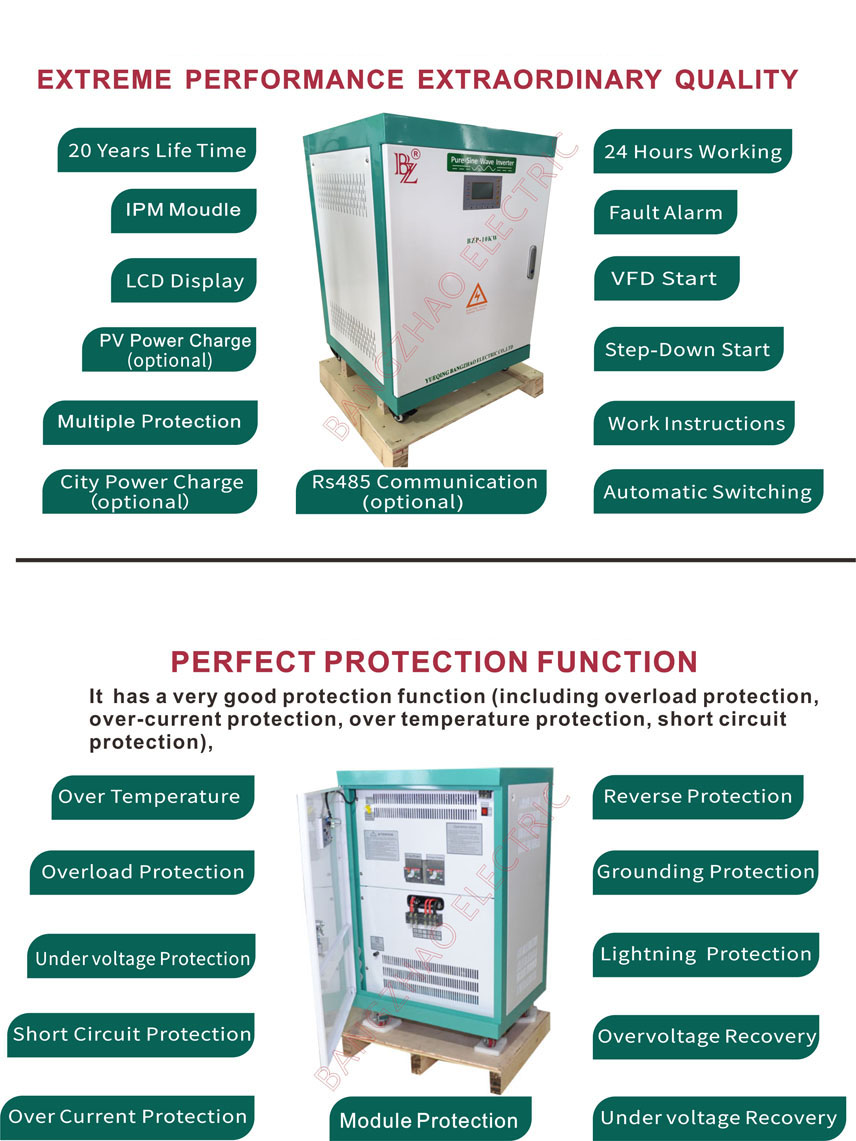
Maximizing Energy Independence: Insights from Recent Industry Reports on the BZP Series Off Grid Pure Sine Wave Inverter
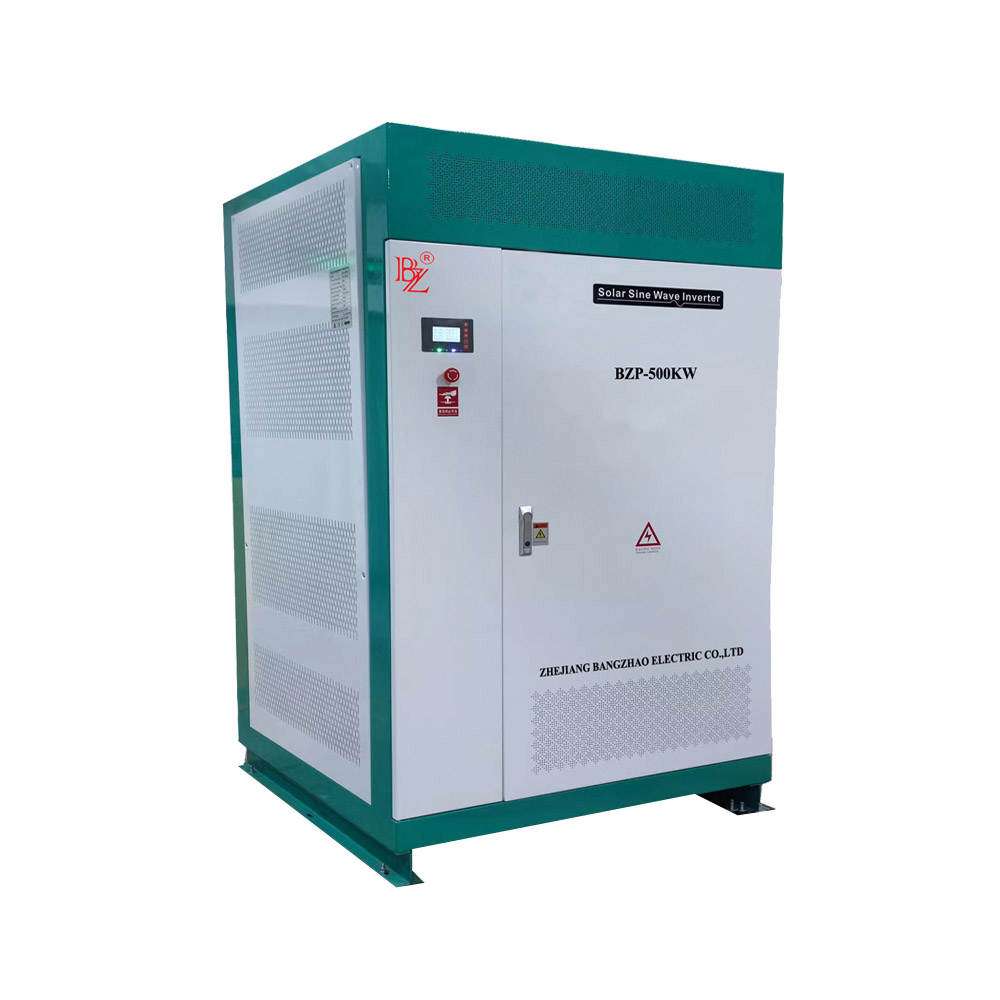
In today's world, the need for energy independence has never been more pressing, particularly for remote communities and off-grid applications. Recent industry reports show that the demand for reliable energy sources in isolated regions is growing, highlighting the importance of advanced power solutions. The BZP series Low Frequency Off Grid Pure Sine Wave Inverter from Bangzhao Electric emerges as a leading choice, meeting these demands with its superior technology and robust features.
Offering a pure sine wave output, the BZP series inverter ensures that sensitive electronic devices operate efficiently while minimizing harmonic distortion. According to a 2023 industry analysis, products like the BZP Inverter can achieve over 90% efficiency in DC to AC conversion, significantly reducing energy loss during the process. This high-efficiency quotient is critical for users relying on renewable energy systems such as solar panels and wind turbines, particularly in areas lacking reliable access to electricity.
Furthermore, the inverter's complete protection functions ensure both longevity and safe operation in challenging environments. Whether powering remote medical facilities, vehicles, or remote homes in mountainous or pastoral areas, the BZP inverter is designed for versatility and reliability. Industry reports indicate a surge in adoption of off-grid solutions, with a projected growth of over 15% in the renewable energy sector in the coming years, making the BZP series an optimal choice for those seeking to maximize their energy independence effectively.
FAQS
: An off grid inverter is a device that converts direct current (DC) from solar panels or batteries into alternating current (AC) for use in home appliances, allowing for independent energy use without relying on the electrical grid.
To choose the appropriate inverter size, calculate the total wattage of the appliances you plan to use, and consider the inverter's surge capacity for devices with motors. Ideally, select an inverter with at least 2000 watts for average household consumption of 800-1500 watts.
The efficiency of an inverter affects how much energy is lost during the conversion from DC to AC. It is recommended to choose inverters with an efficiency rating above 90% to minimize energy loss and maximize the effectiveness of your solar energy system.
Pure sine wave inverters provide clean and stable energy output, making them suitable for sensitive electronics. They help reduce wear and tear on appliances, potentially leading to longer lifespans for your devices.
Key factors include inverter type (e.g., pure sine wave), capacity in watts and VA, compatibility with energy storage systems, and features like battery management systems and digital displays for improved usability.
Various inverter topologies, such as CLLC and DAB, have their pros and cons. CLLC systems are efficient and versatile for varying loads, while DAB systems are simpler to operate but may not manage load fluctuations as well.
Features like digital displays, advanced battery management systems, and compatibility with multiple battery types can significantly improve the usability, effectiveness, and management of an off-grid energy system.
Compatibility with evolving energy storage technologies is crucial for off-grid setups, as it ensures seamless integration and a more resilient power solution, improving overall system performance and reducing costs.